Table of Contents
ToggleEver found yourself frantically searching for the Safari app on your iPhone, only to realize it’s playing hide-and-seek? You’re not alone! Many users have experienced that moment of panic when the app seems to vanish into thin air, leaving them wondering if it’s been abducted by aliens or simply misplaced in the digital cosmos.
Understanding Safari on iPhone
Locating the Safari app on an iPhone can pose challenges for users. Understanding its function and relevance aids in navigating these difficulties.
What Is Safari?
Safari serves as Apple’s default web browser. It enables users to explore the internet efficiently. Features include tabbed browsing, private browsing mode, and built-in security measures. Updates enhance performance and compatibility with various websites. Users access websites through a clean interface, focusing on a user-friendly experience.
Importance of Safari on iPhone
Safari plays a critical role in daily internet usage. Accessing information quickly enhances productivity and convenience. Integration with Apple’s ecosystem streamlines usage across devices. Users can sync bookmarks, passwords, and browsing history seamlessly. Having a reliable browser ensures a secure browsing experience, helping users avoid phishing and malware threats.
Locating Safari on Your iPhone
Finding Safari on an iPhone may seem challenging at times. Users can employ several methods to locate this essential app.
Checking the Home Screen
Start by looking at the Home Screen. Swipe left or right to check each page, as Safari often sits among other frequently used apps. If the app isn’t visible, try searching for it. Access the search function by swiping down on the Home Screen and typing “Safari” in the search bar. If the app appears in the search results, tap it to open. Users may also reorganize app icons which can lead to Safari being relocated.
Using the App Library
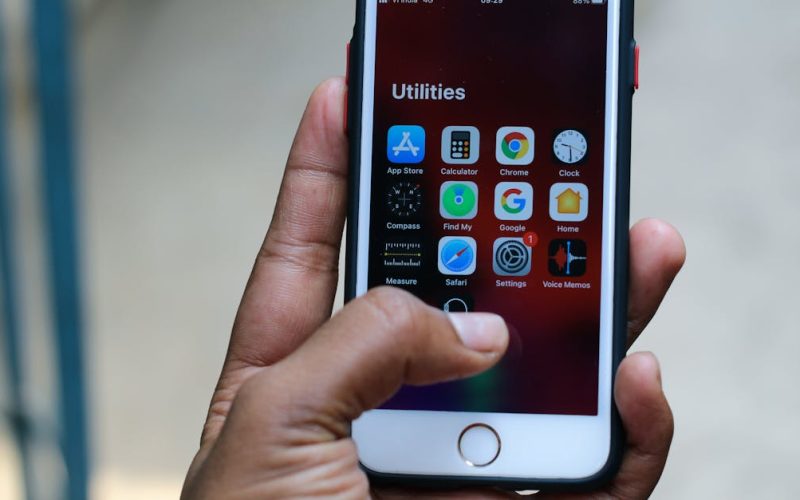
The App Library simplifies app management. Swipe left past the last Home Screen page to access this feature. In the App Library, users can find Safari categorized under either “Utilities” or “Social.” To locate it quickly, type “Safari” in the search bar at the top of the App Library. Tapping the icon launches the app directly. Safari remains essential for internet browsing, making it worthwhile to know exactly where to find it.
Troubleshooting Safari Issues
Users may encounter difficulties when Safari seems to be missing from their iPhone. This guide provides solutions for addressing common Safari issues.
When Safari Is Missing
Identifying why Safari isn’t visible on the Home Screen can be essential. Start by checking folders or screens where it might reside. Users sometimes overlook Safari in a folder, particularly in utilities or social categories. When using the search function, swipe down on the Home Screen and type “Safari.” This method quickly reveals the app. Occasionally, applications may become accidentally deleted, leading to confusion regarding availability. For missing Safari, checking the App Library can also help since it often houses all apps.
Restoring Safari on Your iPhone
Restoring Safari is straightforward if it has been deleted. First, navigate to the App Store on the iPhone. Tap on the search icon and input “Safari” to locate the application. Users, however, won’t find Safari available for reinstalling in the App Store since it comes pre-installed on devices. Instead, going to Settings can help. Within Settings, users should select “Screen Time,” then “Content & Privacy Restrictions,” ensuring that Safari has not been restricted. Turning off any restrictions can restore access quickly. Following these steps allows users to regain functionality effortlessly.
Customizing Safari on Your iPhone
Customizing Safari enhances the browsing experience on an iPhone. Users can take advantage of various settings and features to make Safari fit their preferences.
Adjusting Safari Settings
Settings in Safari allow for personalized browsing. Accessing these options is simple: navigate to “Settings,” then scroll to find “Safari.” Users can toggle features such as “Block All Cookies” or “Prevent Cross-Site Tracking” for enhanced privacy. Additionally, modifying the default search engine, choosing from Google, Yahoo, Bing, or DuckDuckGo, tailors search results to individual needs. Using “AutoFill,” users can streamline form completion by saving passwords and contact details. By fine-tuning these settings, browsing becomes more efficient and secure.
Adding Safari to the Home Screen
Adding Safari to the Home Screen creates quick access. From the Home Screen, users can open Safari and tap the “Share” icon at the bottom of the screen. Selecting “Add to Home Screen” provides a shortcut for instant browsing. Customizing the name ensures it matches personal preference. Users who frequently visit specific websites may also create individual icons for those pages directly on the Home Screen, enhancing convenience. This method allows for effortless navigation to favorite sites at any moment.
Finding Safari on an iPhone doesn’t have to be a daunting task. With a few simple steps users can easily locate the app and restore their browsing experience. Whether it’s checking the Home Screen the App Library or utilizing the search function each method provides a straightforward solution.
Additionally customizing Safari settings enhances usability and security making it an indispensable tool for internet navigation. By following the outlined tips users can ensure quick access to Safari and enjoy a seamless browsing experience on their iPhones. Embracing these features allows users to fully leverage the power of Safari within the Apple ecosystem.