
In a world where even toasters can tweet, smart gadgets have become the new must-haves. These tech-savvy wonders aren’t just for the tech elite; they’re transforming everyday life into a sci-fi movie. Imagine a fridge that knows when you’re out of milk or a vacuum that cleans up after your kids while you binge-watch your favorite show. Who wouldn’t want that?
Smart gadgets are more than just shiny toys; they’re designed to make life easier, fun, and a tad more futuristic. From smart speakers that play your favorite tunes to wearable tech that tracks your every move, these devices are here to stay. So buckle up and get ready to explore how these ingenious inventions can elevate your daily routine and maybe even make you the envy of your neighborhood.
What Is a Smart Gadget?
Smart gadgets refer to electronic devices designed to enhance user experience through connectivity and automation. These inventions typically leverage internet access, enabling users to control functions remotely via smartphone apps or voice commands. For example, smart thermostats adjust temperature settings automatically based on user preferences and patterns.
In homes, devices like smart speakers integrate voice recognition technology, allowing individuals to play music, manage schedules, or get news updates hands-free. Additionally, smart lighting systems enable users to change brightness levels or colors directly from their smartphones.
Many smart gadgets utilize artificial intelligence algorithms to improve functionality over time. Smart security cameras offer features such as motion detection and real-time alerts, making homes safer. Wearable health devices monitor fitness metrics like heart rate and sleep patterns, providing valuable insights for users.
Smart kitchen gadgets, including connected ovens and refrigerators, simplify meal preparation and food management. These appliances offer features like recipe suggestions and inventory tracking, ensuring users always know what ingredients they have on hand.
Overall, smart gadgets represent a leap forward in technology, prioritizing convenience and enhanced lifestyle management. As these devices become more accessible, their integration into various aspects of daily life becomes more seamless, enabling users to manage tasks efficiently.
Benefits of Smart Gadgets
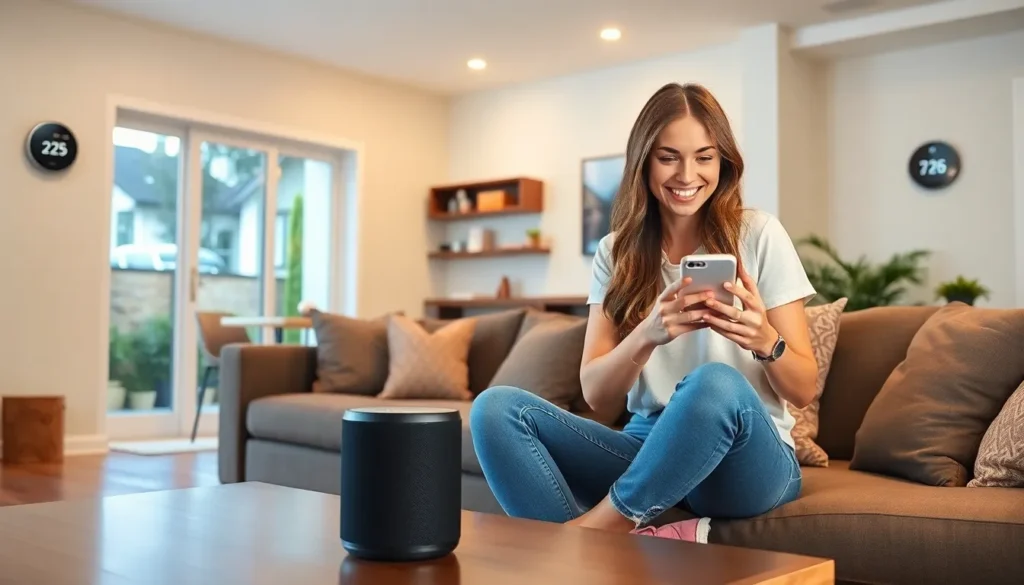
Smart gadgets offer numerous advantages that transform daily activities and simplify routines.
Enhanced Connectivity
Smart gadgets improve connectivity by integrating with home networks and mobile devices. Users can control their devices from anywhere, eliminating the need for manual adjustments. Smart lighting systems allow for remote operation, enabling users to schedule lighting changes or adjust brightness with ease. Devices like smart thermostats connect with weather apps to optimize energy usage. They reduce energy bills while enhancing comfort. Increased interconnectivity among devices fosters a seamless ecosystem; for instance, users can command smart speakers to synchronize music with smart TVs for a cohesive entertainment experience.
Increased Convenience
Gadgets enhance convenience by automating repetitive tasks, allowing users to focus on more important activities. Smart vacuum cleaners, equipped with scheduling capabilities, can clean homes without manual intervention. Meanwhile, smart fridges track grocery inventories, notifying users when items run low. Additionally, wearable health devices monitor fitness metrics, offering personalized insights for healthier living. Automation of mundane chores saves time and effort. Many devices adapt to individual preferences, making daily routines simpler and more enjoyable. Embracing these gadgets uplifts lifestyle quality, turning everyday experiences into streamlined processes.
Popular Types of Smart Gadgets
Smart gadgets come in various forms that enhance everyday experiences. Two popular categories include smart home devices and wearable technology.
Smart Home Devices
Smart home devices revolutionize domestic living by offering seamless control over home environments. These gadgets include smart thermostats that adjust temperatures based on user habits. Smart security systems allow for real-time monitoring via smartphone applications. Smart lighting systems also provide custom settings for brightness and color, significantly improving ambiance. Examples of devices in this category include smart plugs, smart doorbells, and smart locks, all of which add convenience and security to everyday life.
Wearable Technology
Wearable technology improves personal health and fitness monitoring. Devices such as smartwatches track fitness metrics like heart rate, steps, and sleep patterns. They often sync with mobile apps, providing users with insights into their daily activities. Fitness trackers further assist in setting goals and monitoring progress. Additionally, some wearables include features like notifications and GPS for enhanced functionality. This category continues to grow as users seek more ways to manage their health and daily tasks efficiently.
Future Trends in Smart Gadgets
Emerging innovations in smart gadgets signal exciting trends for the future. Home automation systems increasingly integrate with artificial intelligence, enhancing efficiency and user experience. Voice-controlled assistants will dominate smart home interactions as more devices become compatible with them.
Wearable technology continues expanding beyond fitness tracking, offering advanced health monitoring features. Users will expect devices that detect changes in their health in real time, promoting proactive lifestyle management. Smart textiles equipped with sensors may even monitor vital signs, providing data directly to healthcare providers.
Smart appliances will likely evolve to include more predictive functionalities. For example, fridges that suggest recipes based on available ingredients or ovens that preheat automatically according to cooking schedules. Enhancements in machine learning will optimize these features, personalizing interactions and improving their predictions.
Robotics may feature prominently in the next generation of smart gadgets, with robotic assistants taking on household chores. Autonomous lawn mowers and pool cleaners will provide effortless yard maintenance, limiting time spent on mundane tasks. Users can control these devices remotely, allowing for more flexibility in managing home environments.
Sustainability will play a crucial role in the design of future smart gadgets. Energy-efficient technology and eco-friendly materials align with growing environmental awareness. Devices will focus on minimizing energy consumption, promoting responsible usage among consumers.
Security also remains a priority as smart gadgets become more prevalent. The development of advanced security systems, including biometric locks and real-time surveillance, will heighten safety within homes. Data privacy measures will improve, addressing consumer concerns about personal information and smart device vulnerabilities.
Smart gadgets are undeniably reshaping everyday life by enhancing convenience and connectivity. As these devices become more integrated into daily routines they offer users a seamless way to manage tasks and improve their quality of life. With advancements in artificial intelligence and automation these innovations promise to make homes smarter and lifestyles more efficient.
The future of smart gadgets looks bright with emerging trends pointing towards even greater functionality and sustainability. As users embrace these technologies they not only simplify their lives but also contribute to a more connected and efficient world. Adopting smart gadgets is more than just a trend; it’s a step towards a more enjoyable and manageable way of living.