Table of Contents
ToggleIndian cooking isn’t just a meal; it’s a vibrant tapestry of flavors, aromas, and techniques that can make anyone’s kitchen feel like a Bollywood blockbuster. From the sizzling sounds of a hot tawa to the fragrant whispers of spices dancing in oil, each technique tells a story of tradition and creativity.
Overview of Indian Cooking Techniques
Indian cooking techniques embody a variety of methods, each imparting unique flavors to the dishes. These methods often derive from regional traditions, showcasing the diversity of Indian cuisine.
Tadka involves tempering spices in hot oil, enhancing their aromas and flavors. This technique activates the essential oils in spices, enriching the dish’s overall taste.
Dum signifies slow cooking with sealed lids, allowing food to simmer in its own juices. This method ensures that ingredients retain moisture, resulting in tender and flavorful meals.
Baking is popular in Indian communities, often utilized for preparing bread like naan and roti. Tandoors, traditional clay ovens, play a crucial role in this process as they achieve high temperatures for even cooking.
Steaming is employed for healthier options. Idli and dhokla illustrate this technique, where batter ferments and rises, creating soft, fluffy textures.
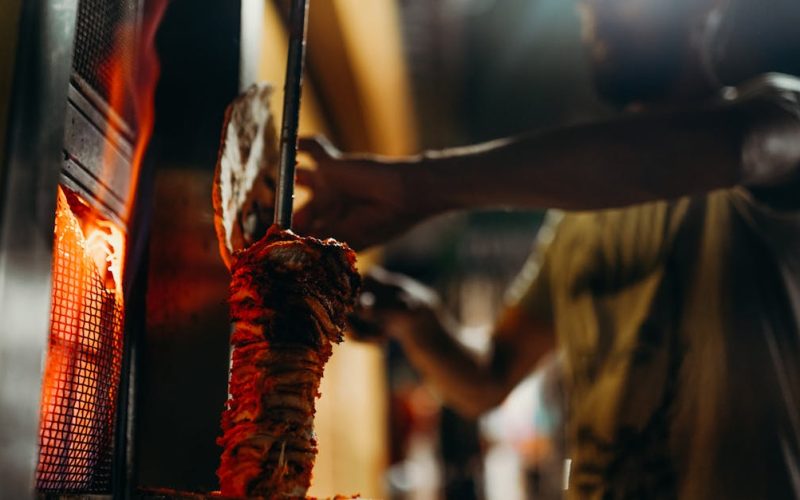
Grilling showcases marinated meats and vegetables, infusing them with smoky flavors. The use of skewers, such as in kebabs, emphasizes this technique’s influence on Indian street food.
Frying remains a staple cooking method, particularly for snacks like samosas and pakoras. This technique creates crisp textures and rich flavors, appealing to diverse palates.
These techniques collectively contribute to the vibrancy of Indian cuisine. Each method reflects cultural heritage and culinary artistry, making Indian cooking distinct and enjoyable.
Regional Variations in Indian Cooking
Indian cooking showcases diverse regional techniques. Each area contributes distinct flavors and methods.
Northern Indian Techniques
In Northern India, techniques like dum cooking and tandoor baking are fundamental. Dum cooking involves slow-cooking foods in sealed pots, allowing flavors to meld beautifully. Tandoori methods, where bread and meats are cooked in clay ovens, impart a characteristic smoky flavor. Rich gravies, often prepared using ghee, highlight the use of spices like cumin and coriander. These techniques reflect the climate and agriculture of the region, creating hearty and flavorful dishes.
Southern Indian Techniques
Southern India utilizes techniques like steaming and sautéing prominently. The steaming process serves well for preparing dishes like idli and puttu, offering a healthier alternative. Sautéing tempered spices in coconut oil forms the base for many curries, enhancing aromas and depth. Fermentation plays a critical role in creating dishes like dosa, adding unique textures and flavors. This region’s cooking emphasizes fresh ingredients, making it vibrant and aromatic.
Eastern Indian Techniques
In Eastern India, techniques such as steaming and fish preparation stand out. Steaming rice and fish creates light and flavorful meals, often achieved using banana leaves. Mustard oil features heavily, complementing dishes rich in spices and ingredients like prawns and vegetables. Distinctive panch phoron, a five-spice blend, enhances flavor profiles. Regional specialties reflect a strong connection to water bodies, emphasizing the freshness of seafood.
Western Indian Techniques
Western Indian cooking focuses on techniques like roasting and drying. Roasting spices releases their essential oils, forming the backbone of many dishes. This technique is especially evident in Gujarati kitchens, where dishes often showcase sweet and savory balance. Drying fruits and vegetables preserves them for use in summer months, enabling versatile ingredient usage. The emphasis on vegetarianism in this region influences culinary techniques, resulting in vibrant, flavorful meals.
Essential Tools and Equipment
Essential tools and equipment play a critical role in Indian cooking, ensuring efficiency and authenticity. Various utensils and modern appliances help create the rich flavors and unique dishes characteristic of Indian cuisine.
Traditional Indian Utensils
Traditional Indian cooking relies heavily on specific utensils. A tawa, or flat griddle, is crucial for making roti and pancakes. Kadhai, a deep, curved pan, serves multiple purposes, accommodating stir-frying and sautéing. Mortar and pestle, known as sil batta, helps grind spices and herbs to release their essential oils. Pressure cookers streamline the cooking process, especially for lentils and beans. Chakla belan, the rolling board and pin, allows for effortless dough preparation. These utensils not only enhance the cooking experience but also preserve cultural heritage.
Modern Kitchen Appliances
Modern kitchen appliances complement traditional techniques, increasing efficiency. Mixers and blenders simplify the process of making pastes and chutneys, blending ingredients into a smooth consistency. Food processors handle a variety of tasks, including chopping vegetables and kneading dough quickly. Induction cooktops provide precise temperature control for delicate dishes while ensuring safety. Air fryers offer healthier alternatives for frying, retaining flavors without excessive oil. These appliances support contemporary Indian cooking, making it accessible and convenient for everyone.
Common Ingredients in Indian Cooking
Indian cooking relies heavily on a variety of ingredients that serve as the backbone of its rich flavors and aromas.
Spices and Seasonings
Spices define Indian cuisine, providing depth and character to dishes. Common spices include cumin, coriander, turmeric, and cardamom. Cumin adds earthy notes, while coriander contributes a fresh, citrusy flavor. Turmeric imparts a vibrant yellow hue and health benefits, and cardamom offers a fragrant sweetness. Other significant seasonings such as garam masala blend multiple spices, enhancing the complexity of flavors. A pinch of red chili powder introduces heat, while mustard seeds deliver a pungent kick. These spices don’t just boast flavor; they also enrich dishes with cultural significance.
Grains and Legumes
Grains and legumes form essential staples in Indian cooking. Rice serves as a primary carbohydrate source and accompanies many meals, especially in Southern India. Dal, or lentils, provides protein and fiber while appearing in various forms such as daal tadka and sambar. Chickpeas, known as chana, frequently feature in dishes like chole and provide versatility. Wheat is prevalent in the form of chapati and paratha, two popular flatbreads. These grains and legumes combine for nutritious, hearty meals enjoyed across the nation. Their variety illustrates regional dietary preferences, highlighting the diversity of Indian cuisine.
Health Benefits of Indian Cooking Techniques
Indian cooking techniques offer numerous health benefits, emphasizing fresh, wholesome ingredients and methods that preserve nutrients.
Nutritional Aspects
Spices such as turmeric and cumin provide anti-inflammatory and antioxidant properties. These ingredients contribute to overall health, enhancing digestion and boosting immunity. Whole grains and legumes, common staples, offer high fiber content, promoting gut health and reducing cholesterol levels. Cooking methods like steaming retain vitamins and minerals, ensuring nutritional value in dishes like idli and dhokla. Consuming diverse ingredients allows individuals to enjoy a variety of essential nutrients, fostering overall well-being.
Culinary Practices for Wellness
Culinary practices in Indian cooking prioritize balance and moderation. Traditionally, meals include a variety of spices, aligning flavors with health benefits. Fermentation techniques, found in items like dosa and idli, introduce probiotics, which support gut flora. Cooking methods such as grilling and steaming involve less oil, maintaining lower calorie content. Utilizing fresh herbs and vegetables enhances flavors naturally without added sugars or preservatives. This focus on fresh ingredients and mindful cooking creates meals that nurture health while delighting the palate.
Indian cooking techniques offer a vibrant tapestry of flavors and traditions that reflect the country’s rich cultural heritage. Each method brings unique characteristics to the table, showcasing the diversity found across various regions. From the sizzling sounds of tadka to the slow embrace of dum cooking, these techniques create dishes that are both nourishing and delightful.
The essential tools and common ingredients further enhance the experience, allowing cooks to explore and innovate within their kitchens. Embracing these techniques not only preserves age-old culinary practices but also promotes health and well-being through wholesome ingredients. Indian cooking continues to be a celebration of creativity and connection, inviting everyone to partake in its flavorful journey.