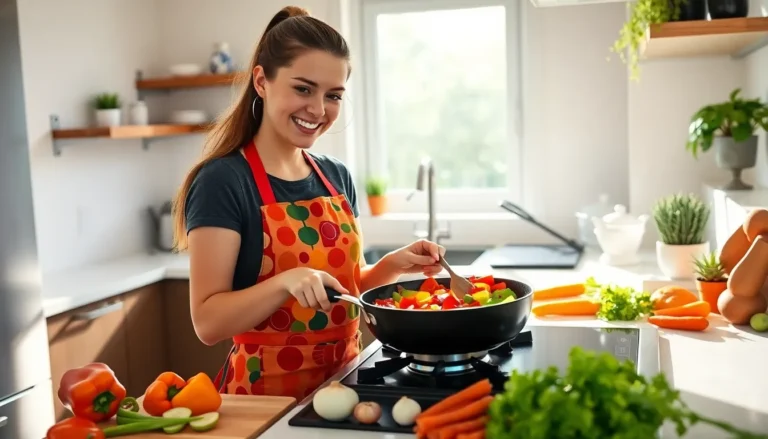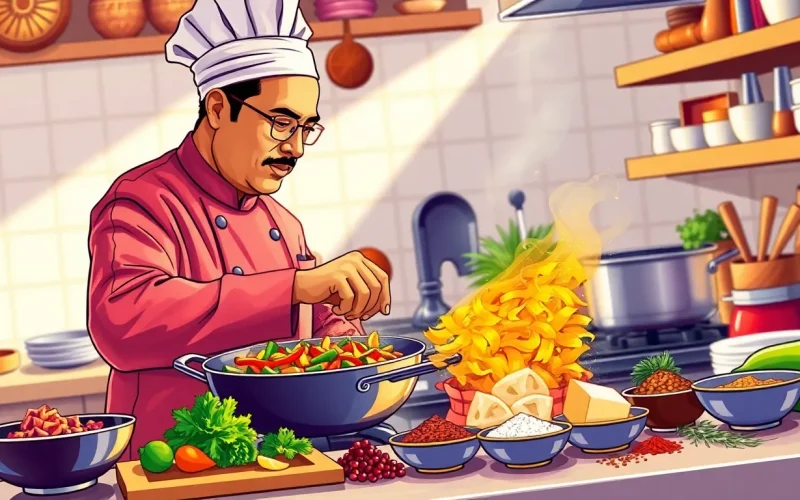
Indian cooking techniques are a vibrant tapestry woven with centuries of tradition, flavor, and a sprinkle of magic. From the sizzling sounds of a hot tawa to the aromatic embrace of spices dancing in a curry, these methods transform simple ingredients into culinary masterpieces. Whether it’s the art of slow-cooking a biryani or the quick finesse of stir-frying vegetables, each technique tells a story of its own.
Overview of Indian Cooking Techniques
Indian cooking techniques encompass a variety of methods that enhance flavor and texture in dishes. Each technique plays a significant role in the overall culinary experience. Slow cooking, for example, transforms ingredients into aromatic biryanis, allowing spices to meld and develop depth.
Tandoori cooking employs clay ovens to achieve a signature char and smokiness, making meats and breads irresistible. Furthermore, sautéing, a popular method for vegetables, retains nutrients while infusing dishes with spices.
Steaming offers a healthy alternative, preserving colors and textures, particularly in dishes like idlis and dhoklas. Frying, whether shallow or deep, creates crispy textures in snacks like samosas and pakoras.
Marination serves as another critical technique. It enhances flavors by allowing spices and herbs to penetrate proteins. Moreover, tempering spices in hot oil, known as “tadka,” creates a flavor base that elevates curries and dals.
Grilling imparts a unique flavor and is often used for kebabs or paneer. Pressure cooking stands out for its time efficiency while maintaining taste and tenderness in legumes and grains.
Different regions in India showcase unique techniques influenced by local ingredients and cultural practices. For instance, in coastal areas, steaming seafood is common, while northern regions often favor rich gravies developed through multiple cooking stages.
In essence, these cooking techniques not only highlight the diversity of Indian cuisine but also the artistry behind each dish. Each method provides a distinctive touch, showcasing the dedication to flavor and tradition inherent in Indian cooking.
Traditional Techniques

Indian cooking techniques reflect a deep connection to culture and tradition. These methods, ranging from fermentation to sun-drying, showcase the innovative approaches to enhancing flavors and preserving ingredients.
Fermentation
Fermentation plays a vital role in Indian cuisine. It cultivates flavors and improves digestibility, particularly in staples like dosa and idli. Lactobacillus bacteria transform rice and lentils into a light, airy batter rich in probiotics. Various pickles and yogurt utilize this technique, with spices and seasonings further enhancing taste. The resulting products not only offer health benefits but also contribute to a distinct culinary identity throughout the regions.
Drying and Sun-Drying
Drying preserves ingredients while concentrating flavors in Indian dishes. Sun-drying fruits, vegetables, and herbs allows moisture to evaporate without the use of artificial methods. Common items like tomatoes, mangoes, and green chilies gain flavor intensity as they dry. This practice also extends shelf life, enabling seasonal produce to be enjoyed year-round. Various spice mixtures are created using dried ingredients, adding depth to curry and rice dishes. Regional variations may influence which items are dried and how they’re used in traditional recipes.
Cooking Methods
Indian cooking encompasses various methods that enhance flavors and textures, reflecting the cuisine’s rich heritage. Each technique contributes to a unique culinary experience.
Boiling and Steaming
Boiling serves as a fundamental technique in Indian kitchens, often used for lentils, grains, and vegetables. It preserves nutrients while cooking ingredients thoroughly. Steaming, on the other hand, is a healthier alternative, commonly seen in dishes like idli and dhokla. By using steam, cooks maintain moisture and flavor without added fats. Techniques such as these promote wholesome eating while maximizing taste.
Frying and Sautéing
Frying allows for crispiness in snacks like samosas and pakoras, adding a delightful texture. Common oils like ghee or vegetable oil are used, enhancing flavor while creating a satisfying crunch. Sautéing, favored for its speed, entails cooking vegetables in minimal oil over high heat. This method results in vibrant colors and retention of nutrients. Spices integrate seamlessly during sautéing, creating aromatic dishes that captivate the palate with their depth.
Grilling and Tandoori
Grilling imparts a distinctive flavor to meats and vegetables, utilizing direct heat for charred perfection. This method is popular for kebabs and reminds many of summer barbecues. Tandoori cooking, which utilizes a traditional clay oven, elevates the flavor profile further. Meats marinated in yogurt and spices get a unique smokiness that defines dishes like tandoori chicken. Both methods highlight the importance of grilling techniques in Indian cuisine while promoting the essence of outdoor cooking.
Regional Variations in Techniques
India’s culinary techniques vary significantly by region, reflecting diverse cultures and available ingredients. Each area presents unique methods that enhance flavor and showcase local traditions.
Northern Indian Techniques
Northern Indian cooking emphasizes tandoori techniques. This method uses clay ovens to bake marinated meats, imparting a distinct smoky flavor. Curries often feature slow-cooked meats simmered with rich spices, creating depth in taste. Sautéing remains popular for preparing vegetables, allowing spices like cumin and coriander to infuse fully. Also prominent is the use of dairy, including yogurt and ghee, which enriches dishes like paneer and korma.
Southern Indian Techniques
Southern Indian cuisine showcases distinct cooking practices such as steaming and tempering. Steaming plays a crucial role in preparing rice-based dishes, helping to retain nutrients. Dosa and idli, made from fermented rice and lentil batter, epitomize this technique. Tempering involves frying spices in oil to release essential oils before mixing with other ingredients, making dishes aromatic and flavorful. Coconuts feature heavily in southern recipes, enhancing both texture and flavor profile across curries and chutneys.
Modern Adaptations
Modern adaptations of Indian cooking techniques integrate contemporary tools and practices while maintaining traditional flavors. Incorporating pressure cookers and electronic appliances accelerates cooking times without sacrificing taste. Various cooks now utilize induction stoves for efficient heat control, enhancing energy conservation.
Air frying has gained popularity for preparing healthier versions of traditional fried snacks. Many households embrace this technique to create crispy samosas and pakoras with less oil. Additionally, sous-vide cooking has emerged as a method for achieving precise temperatures, particularly in preparing tender meats and infused vegetables.
Fusion cuisine reflects a blend of Indian techniques with international influences. Many chefs experiment by combining Indian spices with global dishes, resulting in unique offerings like curry pizza or tikka tacos. Contemporary Indian restaurants often showcase these innovative interpretations, attracting a diverse clientele.
Meal-prepping has also influenced Indian cooking styles. Individuals frequently prepare dishes in advance, focusing on batch cooking to streamline weeknight meals. This approach promotes the use of staples such as lentils and rice, allowing for easy customization throughout the week.
Social media platforms highlight diverse cooking styles. Recipe sharing encourages experimentation with beloved techniques, sparking creativity among home cooks. Virtual cooking classes empower enthusiasts to learn traditional methods while incorporating modern tools.
Health consciousness drives adaptations in ingredient choices. Gluten-free options, plant-based ingredients, and organic produce are now commonplace in Indian cooking. Many recipes have evolved to accommodate dietary preferences, maintaining the essence of traditional flavors while embracing new trends.
Overall, modern adaptations of Indian cooking techniques reflect changing lifestyles and preferences. The blend of tradition and innovation continues to shape the culinary landscape, making Indian cuisine accessible and exciting for a global audience.
Indian cooking techniques offer a fascinating glimpse into a rich culinary heritage. Each method not only enhances flavor but also tells a story of tradition and innovation. From the smokiness of tandoori cooking to the health benefits of steaming, these techniques reflect regional diversity and cultural significance.
As modern adaptations continue to emerge, blending traditional methods with contemporary practices, Indian cuisine remains dynamic and accessible. This ongoing evolution invites food enthusiasts to explore the depth of flavors and textures that Indian cooking has to offer. Embracing both heritage and innovation ensures that the artistry of Indian cuisine will thrive for generations to come.