Table of Contents
ToggleFrench cooking techniques are the backbone of culinary excellence, transforming simple ingredients into masterpieces. From the delicate art of soufflé-making to the robust flair of coq au vin, these methods elevate home cooking from mundane to magnifique. It’s no wonder aspiring chefs and food lovers alike are drawn to the allure of French cuisine.
Overview of French Cooking Techniques
French cooking techniques offer a foundation for creating exquisite dishes. Techniques like sautéing, braising, and poaching elevate ingredients, transforming them into culinary masterpieces. Mastering methods such as julienning and chiffonading enhances not only flavor but also presentation.
Sautéing involves cooking food quickly in a small amount of fat over high heat, allowing flavors to meld while maintaining texture. Braising combines both moist and dry heat, ensuring that tougher cuts of meat become tender and flavorful after slow cooking. Poaching gently cooks food in water or broth at low temperatures, preserving moisture and delicate flavors.
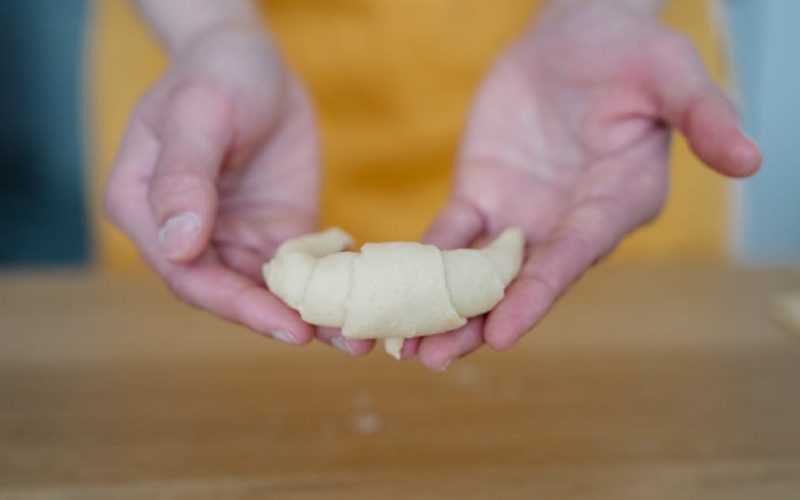
Pastry techniques play a vital role in French cuisine. Making pâte brisée provides a flaky base for tarts and quiches. For elegant desserts, mastering meringue or pâte à choux creates airy textures in soufflés and éclairs.
Sauce-making stands as an essential skill. Techniques for crafting sauces, such as emulsification for vinaigrettes or reduction for creamy sauces, amplify dish complexity. French cuisine showcases various sauces like béchamel and hollandaise, integral to classic recipes.
Understanding the importance of mise en place streamlines cooking. By organizing ingredients and tools beforehand, chefs can focus on execution and creativity.
Fermentation and seasoning enhance flavors in dishes like sauerkraut and pickles, showcasing the depth of culinary knowledge. Techniques such as confit also preserve food while adding intricate tastes.
French cooking techniques not only refine skills but also inspire culinary exploration. Embracing these methods fosters confidence in the kitchen, encouraging chefs to experiment and innovate.
Classic Techniques
French cooking techniques form the backbone of culinary mastery. Understanding these techniques elevates every dish.
Sautéing
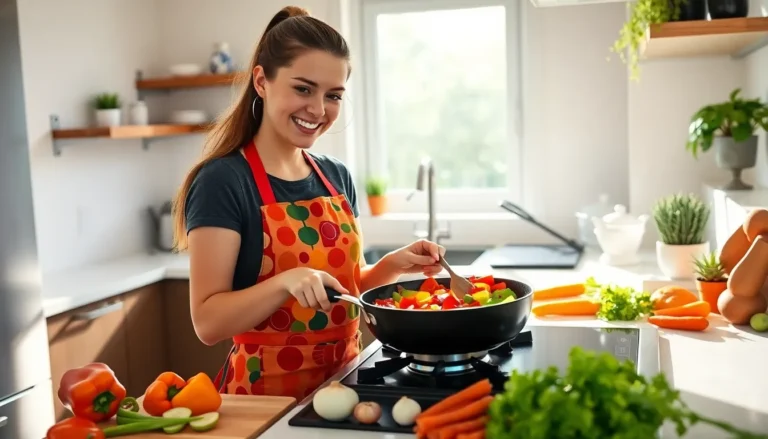
Sautéing involves cooking food quickly in a small amount of fat over high heat. This technique enhances natural flavors while achieving a desirable caramelization. Chefs often use sautéing for vegetables and proteins, making dishes like garlic shrimp or sautéed greens. The key is to preheat the pan properly, ensuring even cooking. The Maillard reaction plays an essential role, adding depth and richness to flavors. Sautéed dishes can serve as sides or main courses, showcasing vibrant colors and textures.
Braising
Braising combines dry and moist heat for tender, flavorful dishes. Typically, this technique involves searing meat to develop a crust before simmering it in liquid. Cuts like beef chuck or pork shoulder benefit greatly from braising. Slow cooking breaks down tough fibers, resulting in succulent, melt-in-your-mouth textures. Common liquids used include wine, broth, or stock, enriching the overall taste. Classic examples of braised dishes include coq au vin and osso buco, highlighting the balance of flavor and tenderness.
Poaching
Poaching is a gentle cooking method that immerses food in simmering liquid. This technique preserves delicate textures and flavors, making it ideal for eggs and fish. Poaching liquid can range from water to broth or wine, enhancing taste without overpowering the main ingredient. Various dishes, such as poached pears or salmon, exemplify the elegance of poaching. The low temperature maintains moisture, ensuring that proteins remain tender and juicy. Mastering poaching opens options for healthier, lighter meals.
Modern Techniques
Modern French cooking incorporates innovative methods that refine traditional practices. Two prominent techniques include sous vide and molecular gastronomy.
Sous Vide
Sous vide translates to “under vacuum” in French. This method involves sealing food in airtight bags and immersing them in a temperature-controlled water bath. Cooking occurs slowly and evenly, allowing precise control over doneness. Chefs often use sous vide for meats, ensuring they remain tender and juicy, such as in steak or pork tenderloin dishes. Additionally, vegetables gain enhanced flavors while retaining their nutrients, exemplified in perfectly cooked carrots or asparagus. Many restaurants now employ sous vide for its ability to deliver consistent, high-quality results.
Molecular Gastronomy
Molecular gastronomy explores the science behind cooking techniques to create unique textures and flavor combinations. This approach allows chefs to deconstruct and reconstruct traditional dishes, resulting in surprising presentations. Techniques include spherification, which creates liquid-filled spheres that burst in the mouth, and foam, enhancing flavors while adding lightness. Dishes like liquid nitrogen ice cream or fruit caviar showcase this innovative style. Chefs utilize molecular gastronomy not just for novelty, but to elevate dining experiences and engage the senses in unforgettable ways.
Essential Tools for French Cooking
Essential tools enhance the efficiency and quality of French cooking. Two key categories include knives and cookware.
Knives
Knives play a vital role in French cuisine. A chef’s knife serves as the workhorse in the kitchen, ideal for chopping, slicing, and mincing. Paring knives excel at detailed tasks like trimming herbs or peeling fruits. Utility knives offer versatility for various cutting needs. Precision matters, so investing in high-quality stainless steel options ensures longevity and performance. Proper maintenance, including regular sharpening and adequate cleaning, enhances a knife’s effectiveness.
Cookware
Cookware choices make a significant difference in executing French dishes. A heavy-bottomed skillet provides even heat distribution, perfect for sautéing methods. Cast iron pans are durable and retain heat well, suitable for braising and roasting. Copper cookware is favored for its excellent temperature control, essential for delicate sauces. Stainless steel pots and pans are versatile and easy to clean, making them ideal for everyday use. Nonstick options simplify cooking delicate items like crepes. Selecting the right cookware elevates culinary results, enhancing both flavors and presentation.
Tips for Mastering French Cooking Techniques
Embrace the art of mise en place. Organizing ingredients before cooking streamlines the process, allowing focus on flavor and technique rather than chaos. Prioritize this practice to enhance efficiency in preparing complex dishes.
Practice sautéing with control. Use high-quality pans for even heat distribution, and ensure the cooking fat reaches the ideal temperature before adding ingredients. This method preserves moisture and enhances natural flavors.
Experiment with braising techniques. Combine both dry and moist heat by first searing cuts of meat, then gently cooking them in liquid. Serve classic dishes like coq au vin for an authentic experience that showcases tender, layered flavors.
Utilize poaching for delicate proteins. Maintain a low simmer while cooking eggs or fish to achieve tender results without overcooking. This technique highlights natural flavors while providing elegant presentations.
Master pastry techniques for successful desserts. Techniques like laminating dough create flaky textures in pastries while whipping egg whites incorporates air, resulting in airy soufflés. Each method contributes essential characteristics to final dishes.
Incorporate modern techniques like sous vide. Cooking food in a temperature-controlled environment ensures precision and even doneness. Consider using sous vide for perfectly cooked meats that retain moisture and nutrients.
Explore the science of molecular gastronomy. Techniques such as spherification and foam creation result in innovative textures and flavor combinations. Engage creativity in presenting dishes that leave a lasting impression.
Invest in high-quality tools. A well-maintained chef’s knife and appropriate cookware elevate the cooking experience. Select heavy skillets for sautéing and cast iron for braising to achieve optimal results.
Mastering French cooking techniques opens up a world of culinary possibilities. These methods not only enhance flavors but also inspire creativity in the kitchen. Whether it’s the precision of sous vide or the artistry of pastry making, each technique contributes to a deeper appreciation of food.
Investing time in learning these skills can elevate home cooking from ordinary to extraordinary. The right tools and techniques empower anyone to create memorable dishes that impress family and friends. Embracing the principles of French cuisine fosters a journey of exploration and innovation that transforms everyday meals into culinary masterpieces.