Table of Contents
ToggleIn the world of culinary arts, mastering knife skills can feel like the Holy Grail. It’s not just about chopping veggies; it’s about wielding a blade with the finesse of a samurai and the confidence of a celebrity chef. Imagine effortlessly slicing through ingredients while your friends look on in awe, wondering if you’ve been secretly training in a ninja dojo.
Overview of Cooking Knife Skills Class
A cooking knife skills class focuses on teaching participants essential techniques for handling knives safely and efficiently. This class covers the fundamentals, including grip, posture, and cutting techniques, allowing individuals to enhance their culinary abilities. Various knife skills such as chopping, dicing, and julienning are typically featured, ensuring participants gain versatility in food preparation.
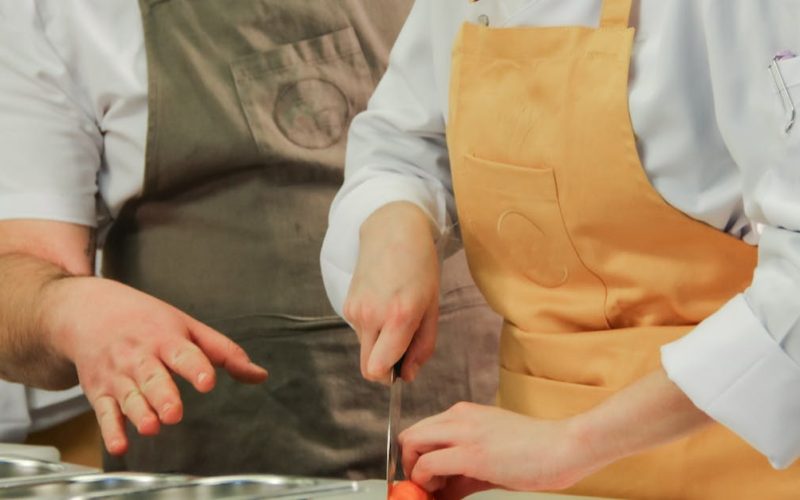
Instruction often utilizes hands-on practice, enabling students to apply skills immediately. Expert chefs provide guidance, demonstrating proper techniques and correcting movements, fostering an environment of learning and improvement. Personal feedback from instructors helps participants refine their skills, ensuring progress throughout the class.
Many classes feature different types of knives, emphasizing how each serves a specific purpose. Understanding the unique functions of chef’s knives, paring knives, and serrated knives boosts confidence in selecting the appropriate tool for various tasks. Students often learn knife maintenance, which includes sharpening and cleaning knives, extending the life of their kitchen tools.
Participants in these classes often find themselves more comfortable in the kitchen, transforming the way they approach meal preparation. Improved knife skills can result in faster preparation times and enhanced presentation of dishes. By the end of the class, individuals typically report increased confidence and a strong foundation in culinary skills that can elevate their cooking experiences.
Benefits of Taking a Cooking Knife Skills Class
Taking a cooking knife skills class offers multiple advantages that enhance culinary experiences. Improved efficiency stands out as a primary benefit, as participants learn to chop and prepare ingredients with speed. Fast cutting techniques allow for quicker meal preparation, which saves time during cooking sessions. Using proper grip and posture further contributes to effective cutting, resulting in smoother workflows. Ultimately, increased efficiency leads to a more enjoyable cooking process.
Enhanced culinary techniques form another significant advantage. Participants develop proficiency in various cutting methods like dicing, julienning, and chiffonading. Mastering these techniques boosts confidence when preparing intricate dishes. Different knife types and their unique purposes are explored, deepening participants’ understanding of kitchen tools. Ultimately, a solid foundation in knife skills encourages creativity in cooking, elevating overall culinary performance.
What to Expect in a Cooking Knife Skills Class
Participants will encounter a comprehensive overview of knife skills that enhance their culinary journey. A variety of instruction methods ensure engagement and easy learning.
Types of Knives and Their Uses
Understanding different knives serves as a key component of a cooking knife skills class. Chefs often rely on a chef’s knife for versatile chopping and slicing tasks. The paring knife excels in intricate tasks like peeling fruits and vegetables. A serrated knife proves essential for cutting through crusty bread without crushing it. Knowing when to use each knife increases efficiency and safety in the kitchen. Participants gain insights into specialty knives, allowing them to select the right tool for each culinary task.
Basic Cutting Techniques
Basic cutting techniques form the foundation of effective knife skills. Chopping occurs when participants learn to cut ingredients into uniform pieces with precision. Dicing follows, which involves cutting food into small cubes, enhancing presentation and cooking time. Julienning allows for long, thin strips, perfect for stir-fries and garnishes. Mastery of these techniques boosts confidence and fosters comfort in handling knives. Continued practice under expert supervision builds speed and accuracy, leading to quicker meal preparation.
Choosing the Right Cooking Knife Skills Class
Selecting an ideal cooking knife skills class involves considering several key factors. Participants can benefit from understanding their options between in-person and online classes.
In-Person vs. Online Classes
In-person classes offer direct interaction with instructors and immediate feedback. Engaging with peers provides additional learning opportunities and camaraderie. Online classes, on the other hand, deliver flexibility and convenience, allowing participants to learn at their own pace. Access to recorded sessions enables reviewing techniques whenever necessary. Assessing personal preferences for social interaction or self-paced study can guide the decision.
Factors to Consider When Choosing a Class
Evaluating class size plays a crucial role in the learning experience. Smaller classes often facilitate personalized instruction and individualized attention. The experience and qualifications of the instructor significantly influence the quality of training. Participants should also consider the curriculum’s depth, ensuring it covers essential techniques comprehensively. Lastly, price and location remain practical considerations that can impact the choice. Finding a class that balances these factors enhances the learning journey in knife skills.
Mastering knife skills is a transformative experience for any aspiring cook. A cooking knife skills class not only builds confidence but also enhances efficiency in the kitchen. Participants discover the art of precision cutting while learning to appreciate the unique functions of various knives.
With hands-on practice and expert guidance, they refine their techniques and develop a deeper understanding of culinary tools. This newfound proficiency leads to quicker meal preparation and an elevated presentation of dishes. By choosing the right class, individuals can embark on a rewarding journey that enriches their culinary repertoire and inspires creativity in every meal.